For students · part three

Welcome to Pebble Academy.

A game world built in Unreal Engine 5, the same engine behind games you already know. Training your brain here feels like playing, because it is playing.

What you do: play in short sessions, at school or at home, over a few weeks.

The trailer

See it for yourself.

Pebble Academy · gameplay trailer
Straight from the game.

Your guide

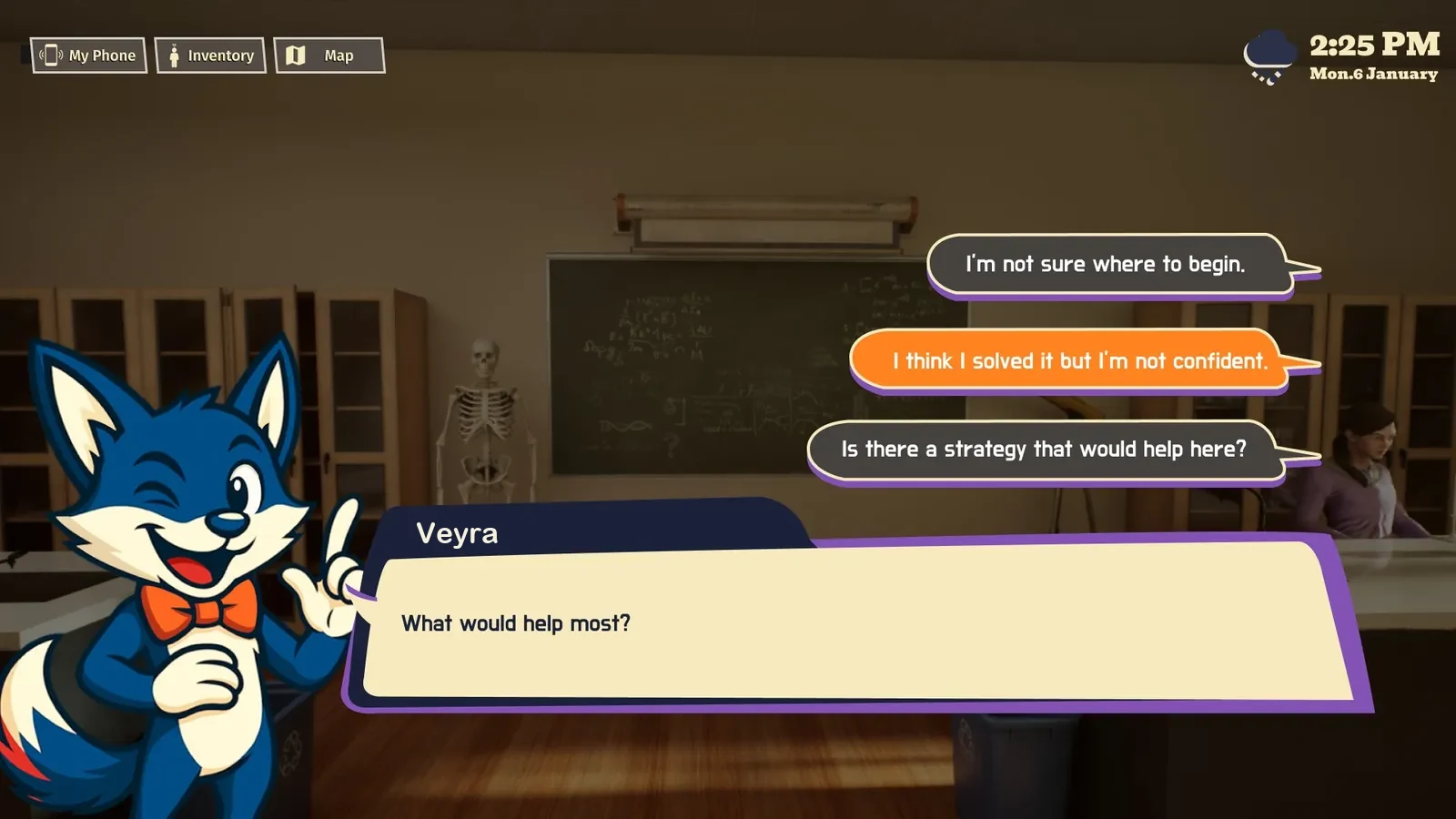
Meet Veyra, the fox on your side.

Veyra checks in as you play, and you choose how to reply. It notices what you did well, names it, and never rushes you. Stuck? It helps you find a way through, without doing it for you.

The challenges adjust to you as you go, so it stays doable and never gets boring. The skills you train are the ones your report flagged, so it's your game, not a worksheet with graphics.

Talking with Veyra in a classroom scene
Veyra checks in. You choose how to reply.

The world

Made by game developers, not worksheet designers.

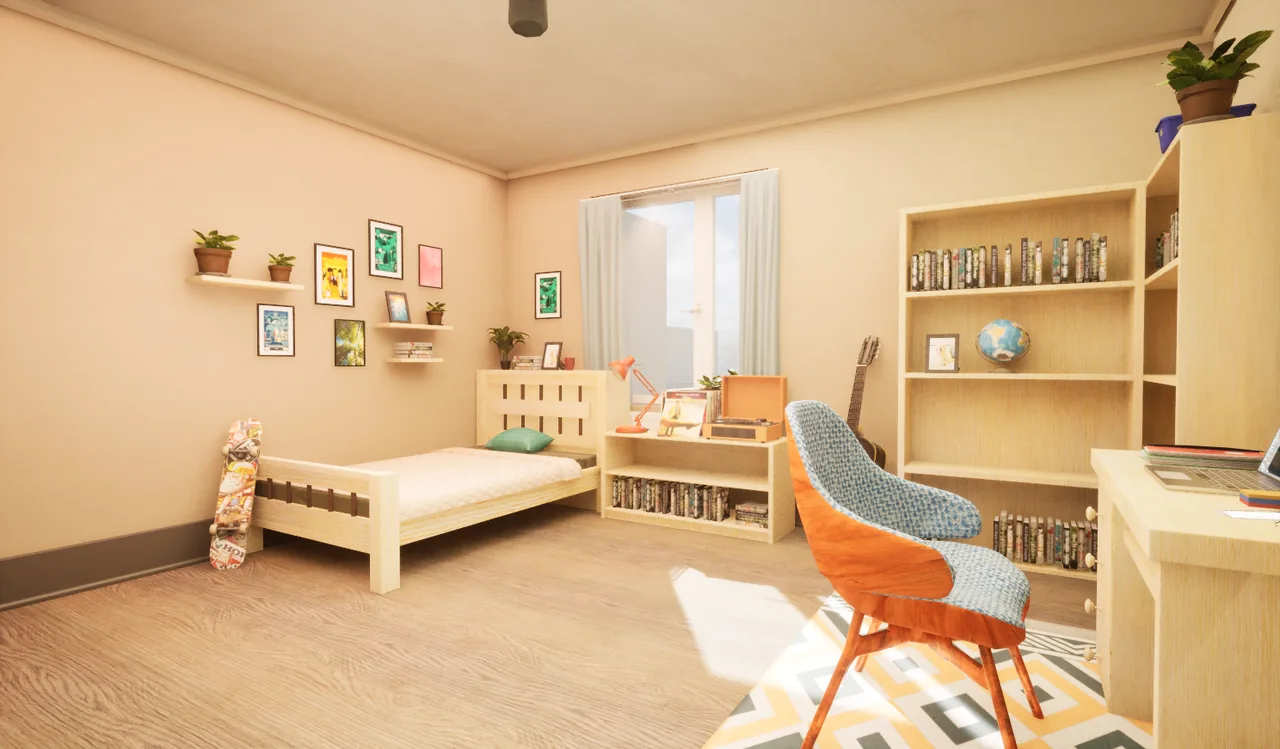
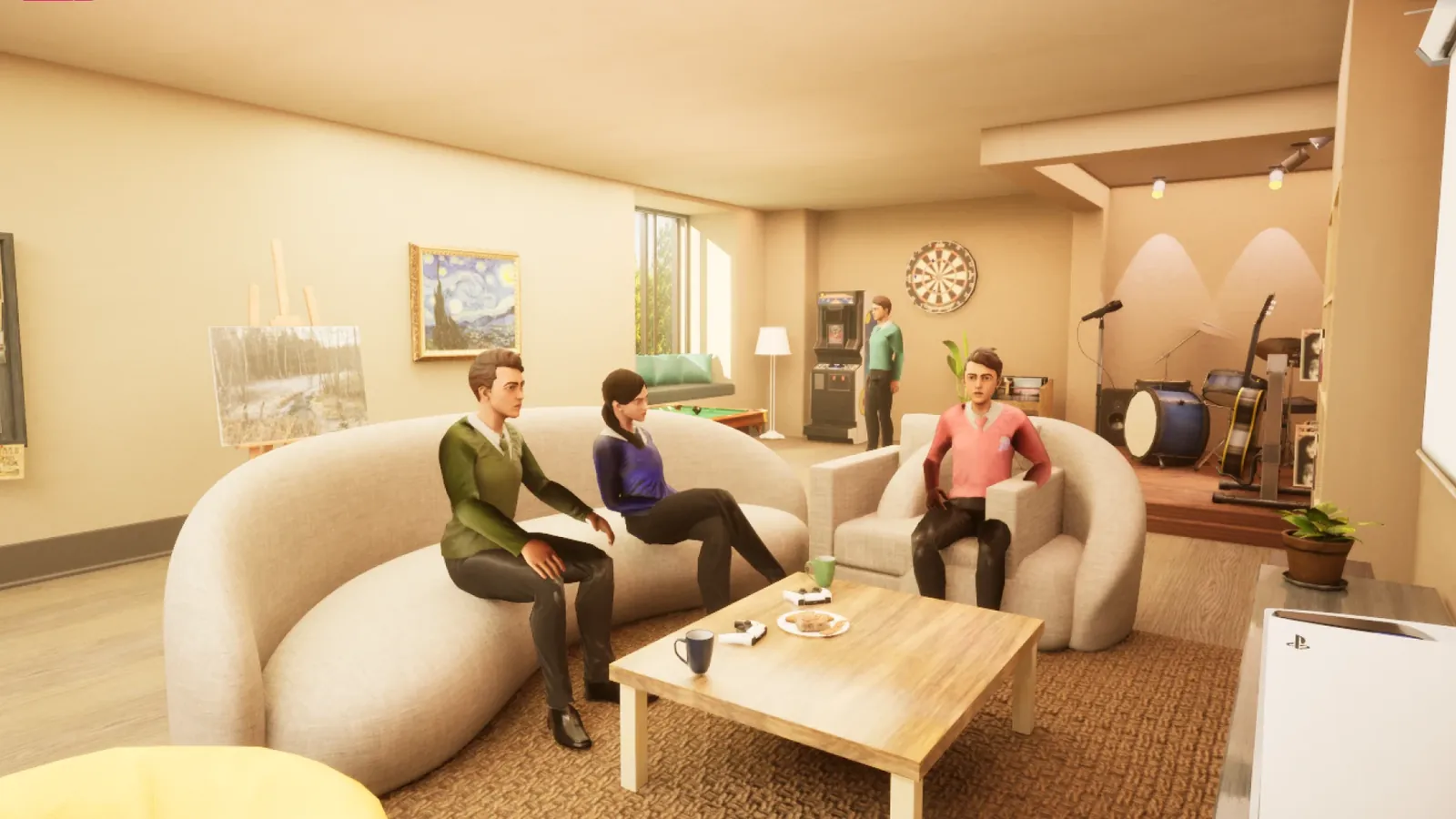
A student room in Pebble Academy
A room of your own.
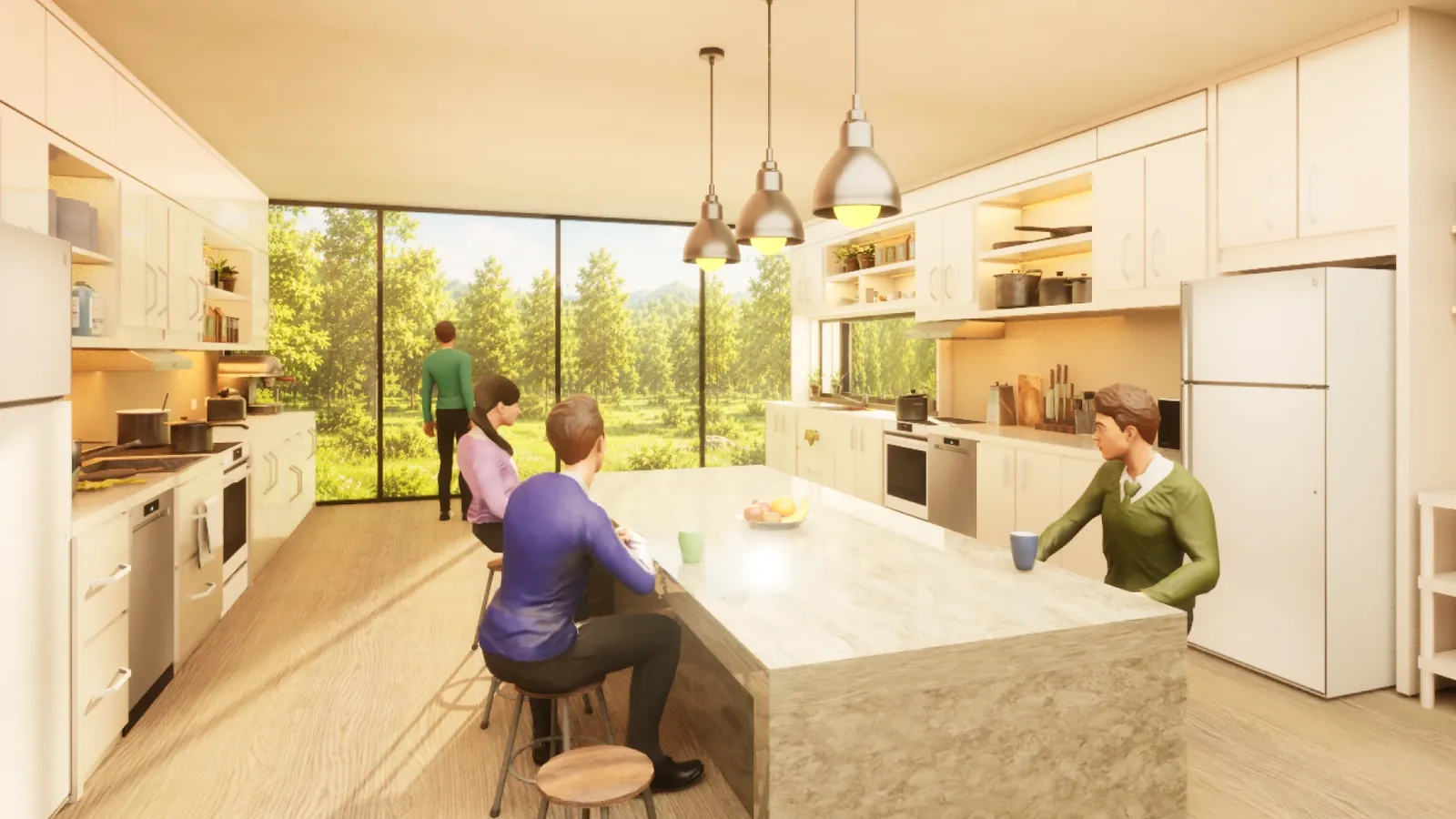
The kitchen in Pebble Academy
The kitchen, somewhere calm to start.
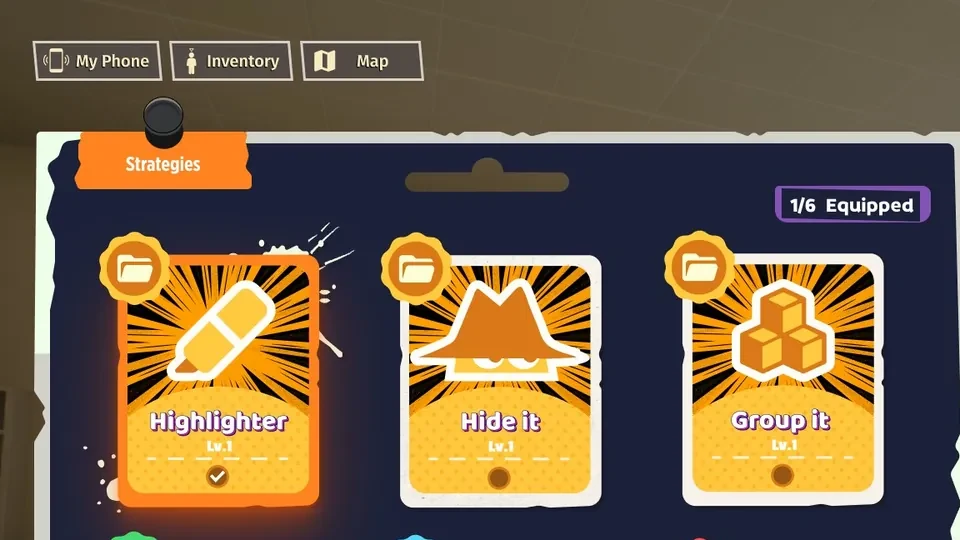
The strategy deck screen
Strategies you collect, practice and level up.

Who makes it

People who make real games, and people who study real brains.

If training your brain feels like homework, it doesn't get done. That's why engagement isn't decoration for us. It's the whole plan: a game you'd choose to play gets played, and skills only grow with practice.

So Pebble Academy is built by a proper games team, working side by side with the scientists. They're just below.

The game squad

Unreal Engine developers, a character artist and UI artists. They build the world, the fox and everything you touch, to the standard of games you'd actually choose.

The science squad

Psychologists and researchers with roots at King's College London and Imperial College London, plus NHS clinical advisers. They make sure every challenge trains something real.

The team

The people making it.

Dr Samuel Swidzinski
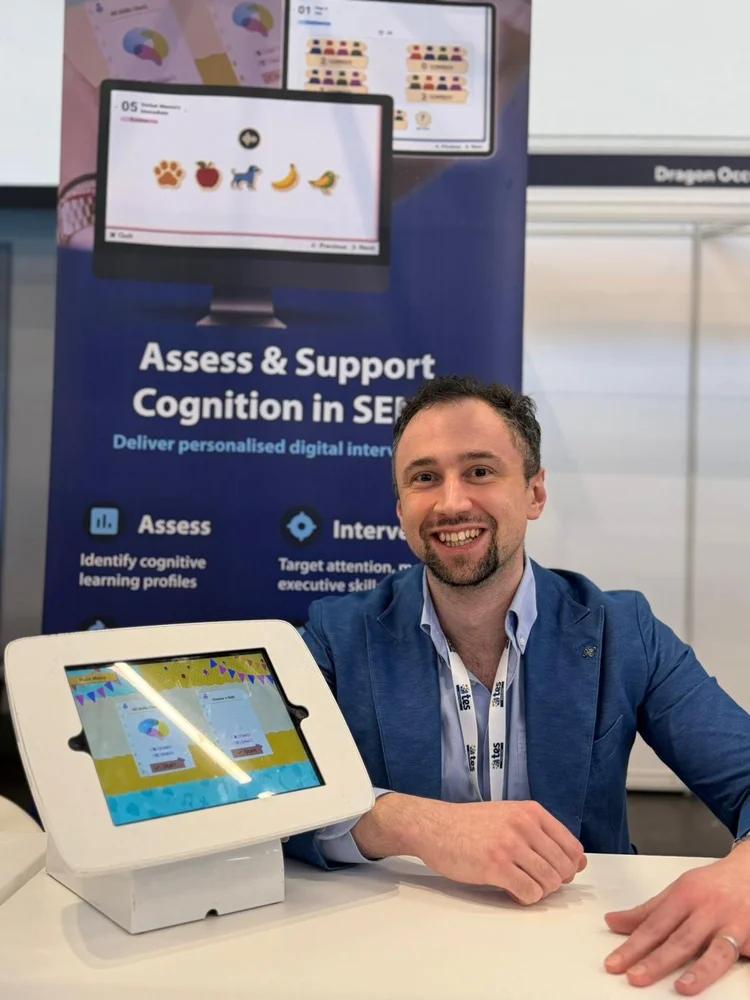
Dr Samuel SwidzinskiCEO & FounderCognitive assessment and remediation researcher. PhD from King's College London's IoPPN, UKRI Smart Grant awardee and Visiting Lecturer at Imperial College London.
An Zhou
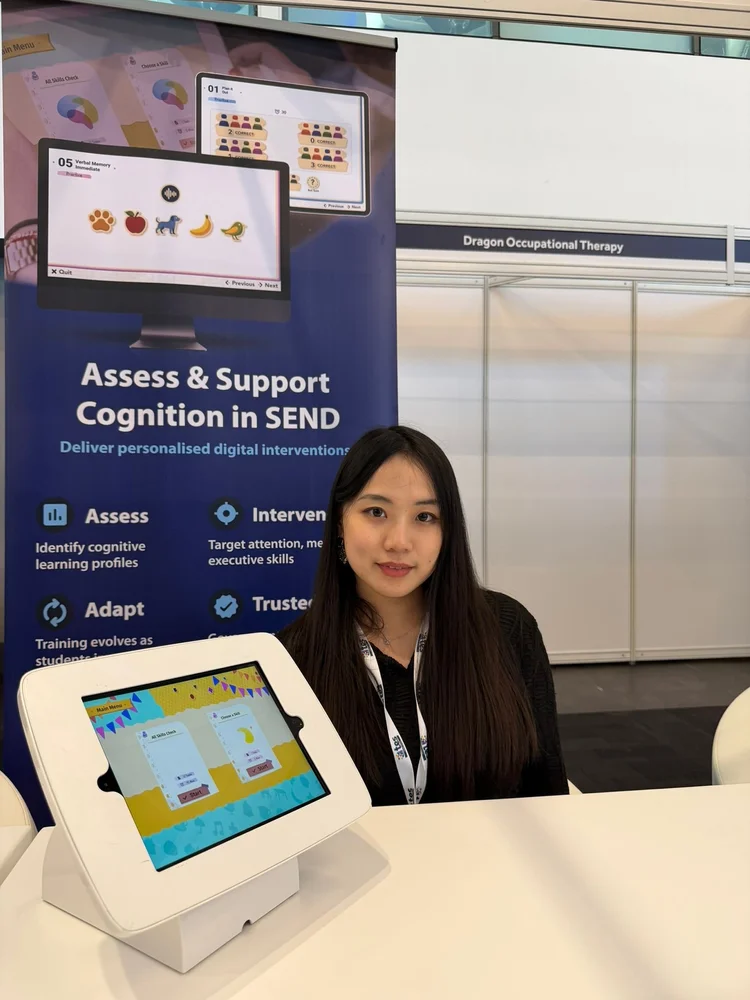
An ZhouCreative DirectorDirects Veyra's creative work: the game world, the characters, and the design of the assessment and training experiences, where scientific integrity has to meet something students want to play.
Frank Zheng
Frank ZhengTechnical DirectorDirects Veyra's technical and AI programme: the guard-railed in-game guide, Ask Veyra and the platform behind them. Enterprise AI background at Deloitte, trained in cognitive assessment and remediation research at Cambridge.
Sonya Christensen
Sonya ChristensenPartnerships DirectorLeads school partnerships and the membership programme, the person schools meet first, and the person who makes sure the partnership stays a partnership.
Matthew Lowe
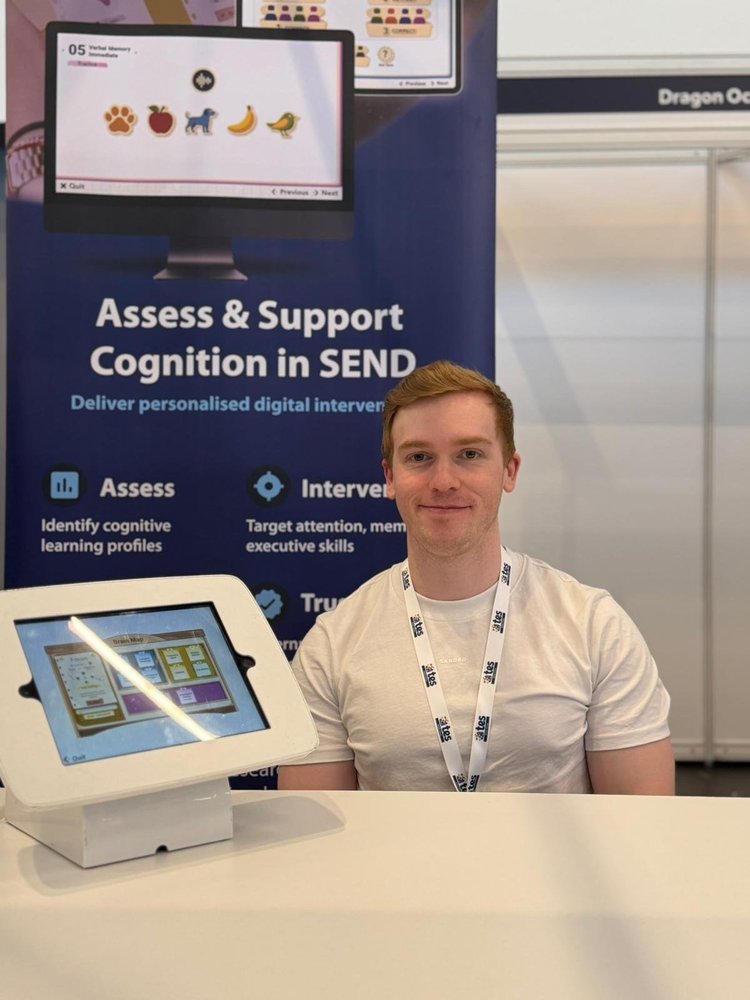
Matthew LoweProduction LeadUnreal Engine software specialist, leading UI and front-end development of the Veyra game world.
Ali Ashkboos
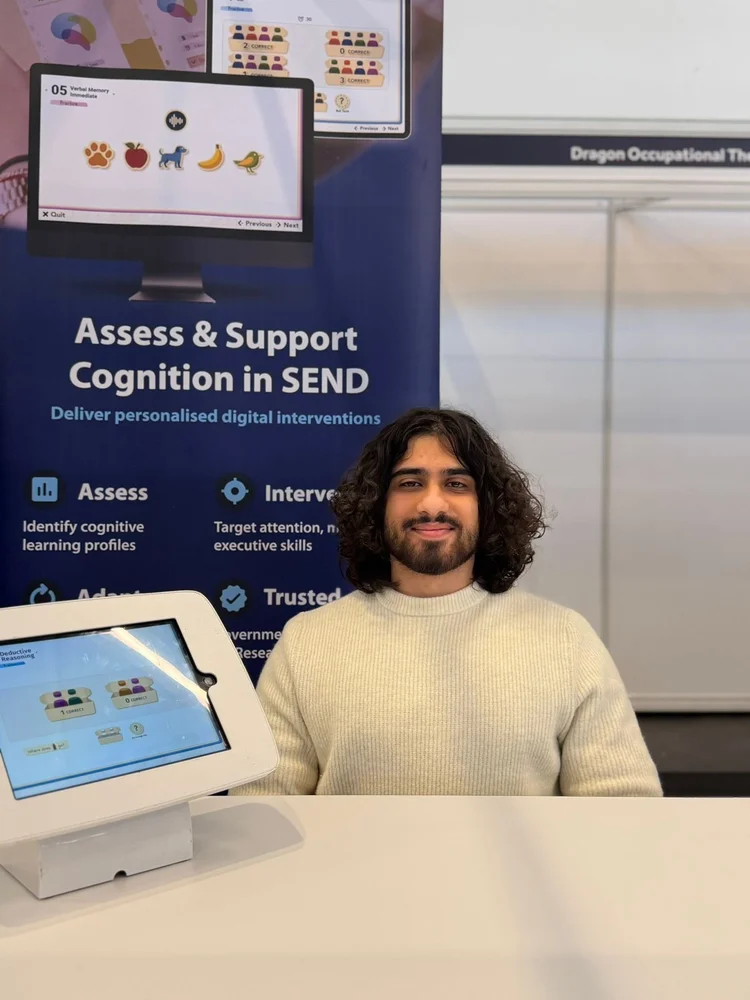
Ali AshkboosTechnical LeadFull-stack developer behind Veyra's backend architecture, secure data systems, and adaptive cognitive modelling infrastructure.
Dr Brett Raymond-Barker
Dr Brett Raymond-BarkerResearch LeadPsychological researcher specialising in psychometrics and quantitative methodology, overseeing assessment validation and research protocols.
Danny Lovick
Danny LovickUI ArtistUI specialist, ensuring interfaces are engaging and functional for students and teachers alike.
Jude Keeling
Jude KeelingCharacter ArtistEnsures the characters in Veyra's world are developed in an engaging and psychologically meaningful way.
Adam Pazik
Adam PazikTechnical AdviserDirector of Engineering at Adobe, advising on scalable architecture, internationalisation, and enterprise-grade AI system design.
Dr Sameer Jauhar
Dr Sameer JauharClinical AdviserSenior NHS clinician and researcher at Imperial College London.

The serious bit

Properly backed, too.

The technology that adapts the game to you is patent-protected and was developed with UK government innovation funding, through Innovate UK and UKRI. Our training programmes are accredited by the British Accreditation Council. Short version: the fun is deliberate, and so is the science. The full story →

Questions?

Your teacher or SENCO has the details, and the FAQ covers the rest. See you in the game.