Step three · the training
Identification only matters if it leads somewhere. Veyra's training world helps students strengthen the skills that were flagged, through something they actually want to play.
The world
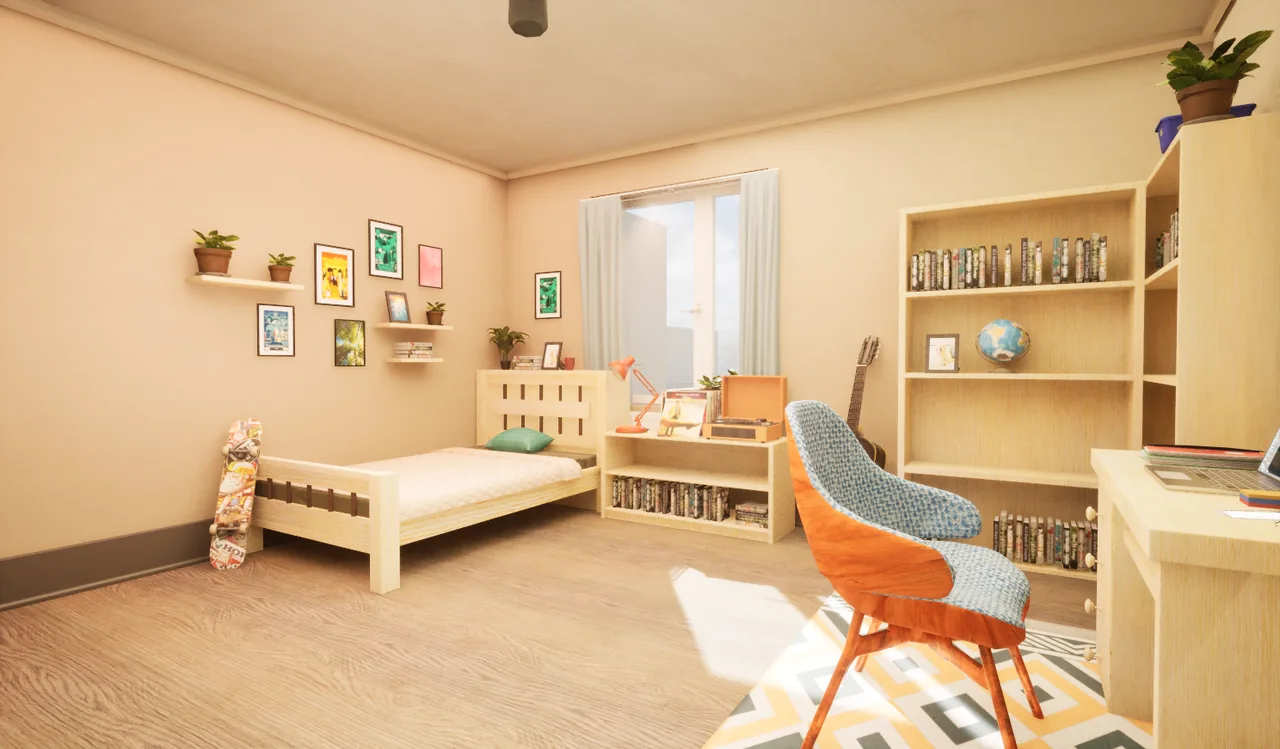
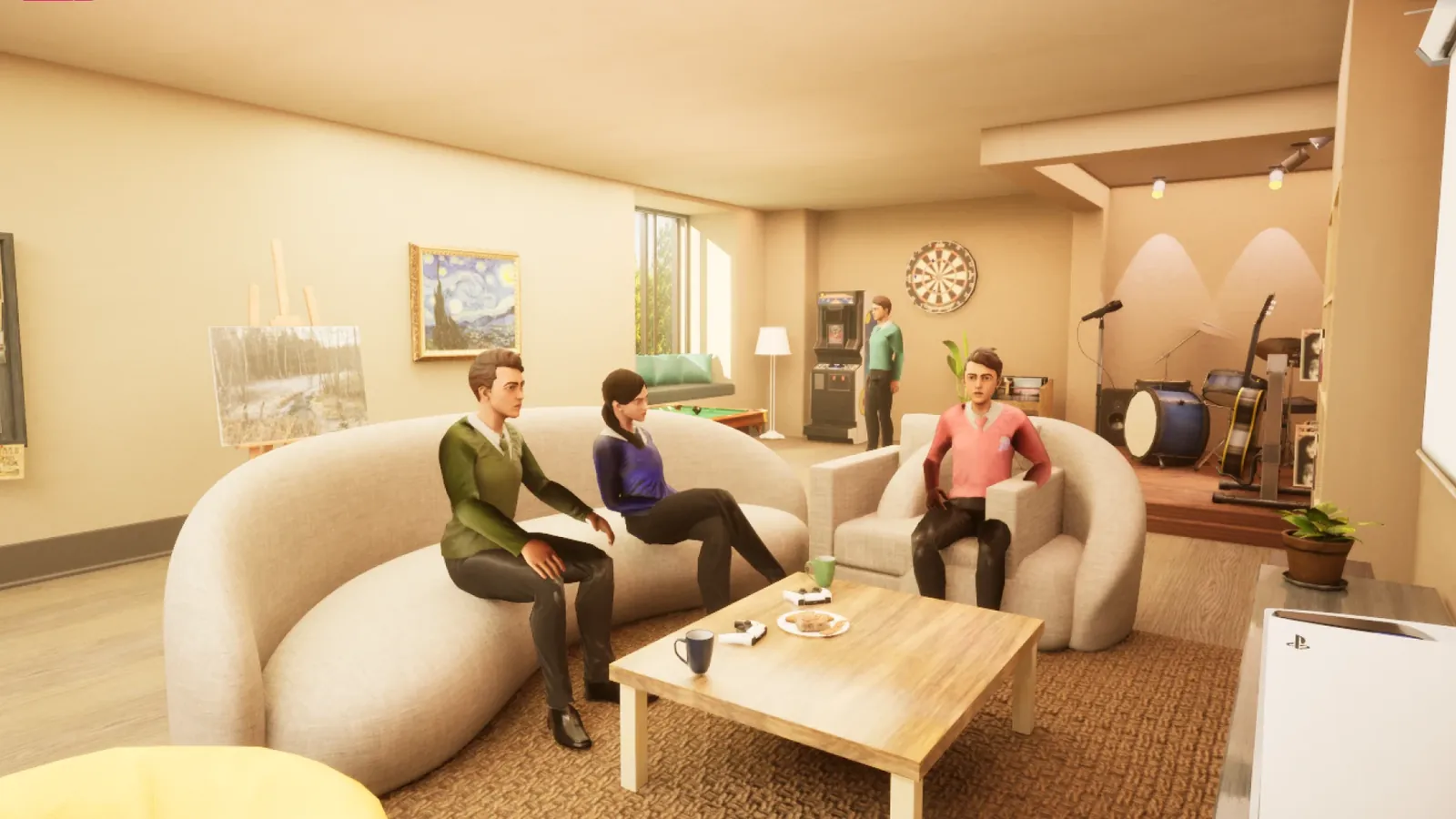
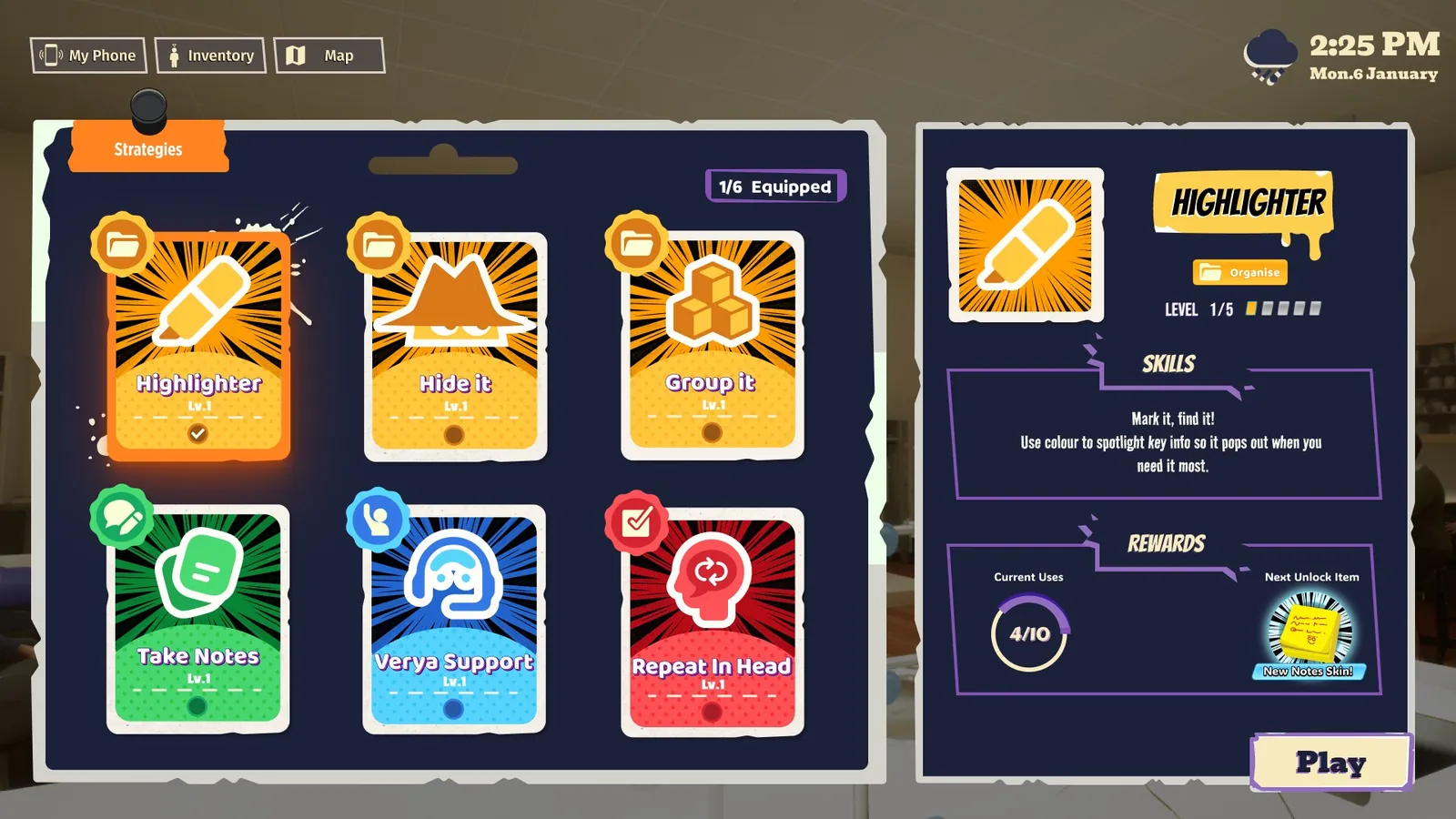
Developed in Unreal Engine 5, Veyra's world is warm and naturally lit, co-designed with adolescents, so it feels like theirs. Structured cognitive exercises live inside real gameplay: repeated practice, adaptive challenge, real-time feedback and space to reflect, the components research identifies in effective cognitive training.

How it adapts
Challenge adjusts at the block level first, then fine-tunes continuously, so tasks stay achievable enough to keep going and demanding enough to build skill. The technology is patent-protected, exclusive to Veyra, and developed with UK government funding.
Training focuses on the domains flagged in each student's assessment. A student building working memory practises different things from one building inhibition.
Short, structured sessions delivered in modules over several weeks, flexible enough to run in school or at home, steady enough to build habits.
The Veyra guide in-world.
The guide
A friendly guide that speaks to the real student and their actual progress, never generic advice. It notices the small wins, names them, and stays patient when things are hard.
How it's guard-railed: Veyra asks before it tells. It uses the student's name and results. It never claims to be a teacher, therapist or doctor. When something is out of scope, it says so and points to a person. Every conversation stays within boundaries designed with clinicians and reviewed continuously.
What teachers see
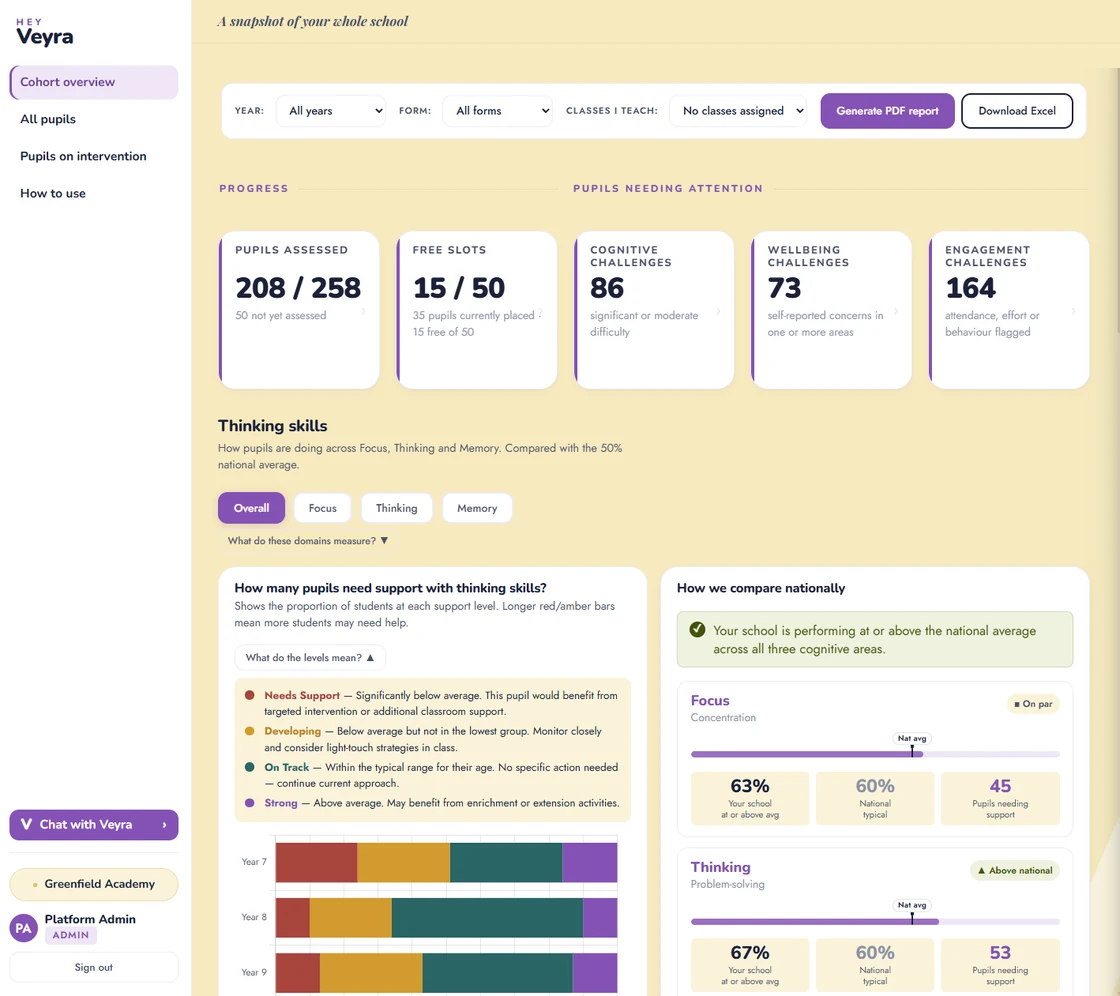
While students play, teachers see progress in the dashboard: sessions completed, skills practised, and how each student's profile is developing over time. It's the same record that feeds support-plan evidence: what the need was, what was tried, how the student responded.
Start with one class or one year group. We'll help you set up, run the first session, and make sense of what comes back.